The verification and judgement layer for information on the internet
Scaling human review for the age of abundant AI creations
Distributed, controlled by no single entity and censorship resistant
The economics of media in the digital age completely re-imagined
A global system of editorial and peer review for information on the Internet
Distributed, controlled by no single entity and uncensorable by authoritarian regimes
submitters
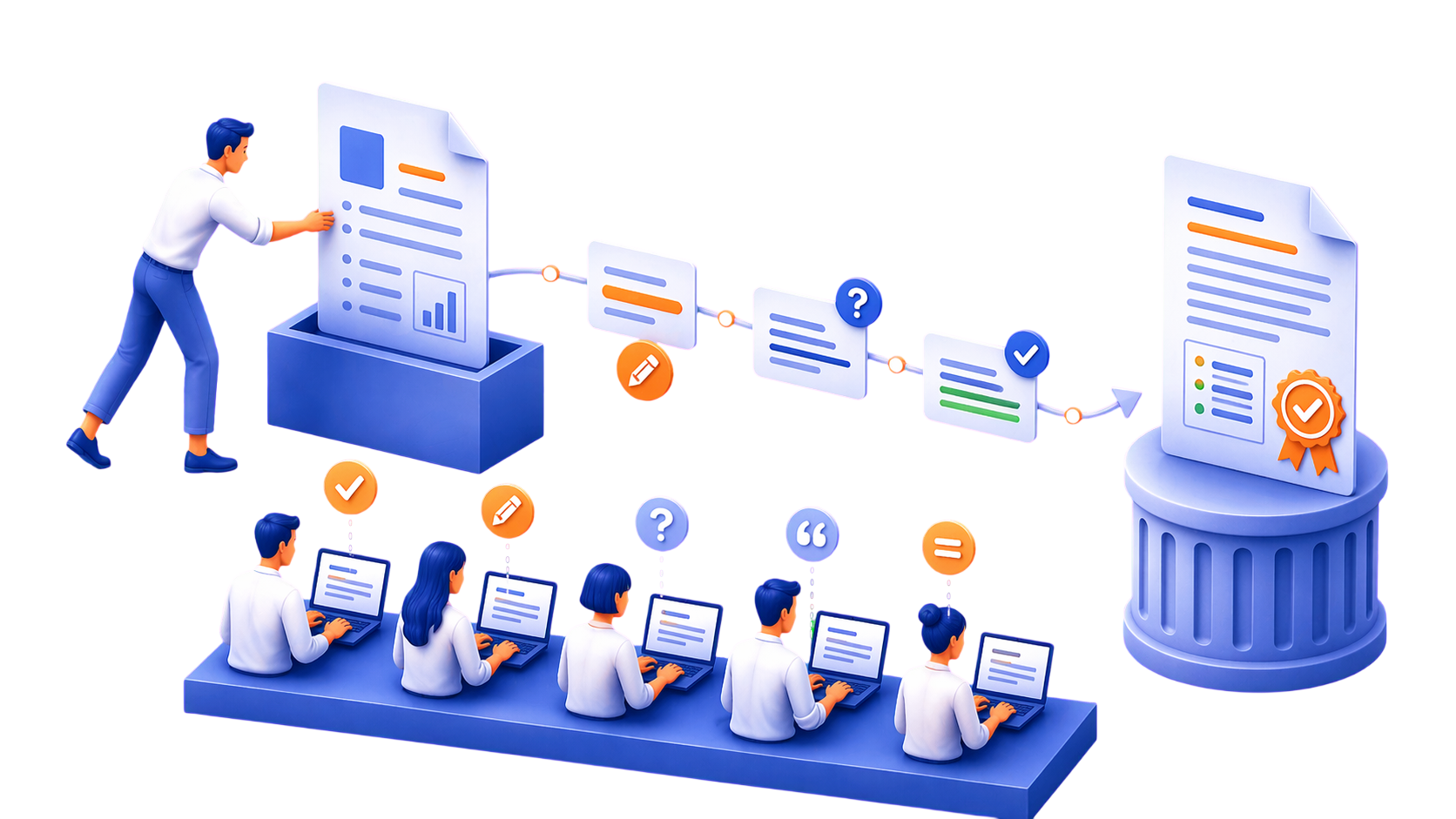
Submit a claim, article, paper or model output to the network and receive human judgement. Surface uncertainty, invite challenge and upgrade the quality of the information.
writers
Turn judgement into paid work. Review claims, arguments and research in the open, and build a public track record for improving the quality of information people and AI systems rely on.
reviewers
readers
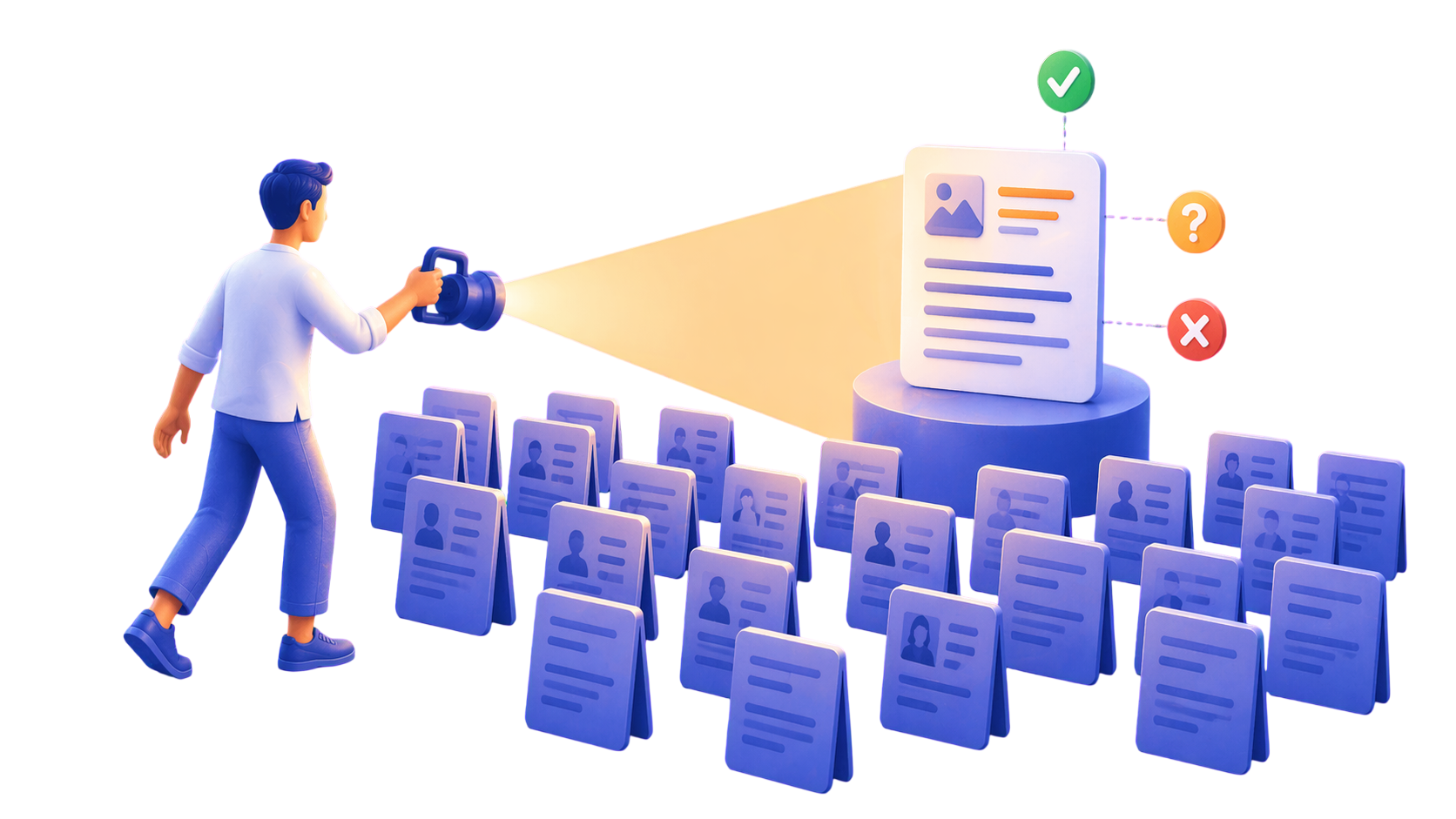
Search and rely on information filtered by knowledgeable humans. See what has been supported, challenged or disputed before acting on it, and reward the people who help improve it.
human verdicts
Judgement is the bottleneck
AI has made publishing infinitely scalable. However, human judgement remains constrained and scarce: verifying claims, adding context, comparing interpretations and surfacing values and preferences have become the bottleneck. The internet does not mainly need more content. It needs better ways to decide what content is accurate, insightful, original and worth attention.
Scaling human review
Olena is designed to make review open, fast and rewardable. People can bring information to the network, review it, challenge it and help build a shared layer of human judgement around it. Different kinds of information will need different mechanisms, from peer prediction to proper scoring rules for predicting real-world outcomes, but the goal is the same: scale human quality control without falling back on closed gatekeepers.
Open systems people can trust
Trust breaks down when editorial power is hidden inside institutions or controlled by a single platform. Olena is built as an open, ownerless, and censorship-resistant system with visible rules and neutral mechanisms, where no single entity decides what may be reviewed, published, or relied on.